Explore the key differences between lake and ocean windsurfing — from wind patterns and wave conditions to gear selection, safety, and the unique challenges of each environment.
Lake and ocean windsurfing might look the same from a distance, but once you are on the water, they feel like entirely different sports. The wind, the water state, the gear, and even the safety considerations change significantly depending on whether you are on a Swiss alpine lake or the Atlantic coast of Fuerteventura.
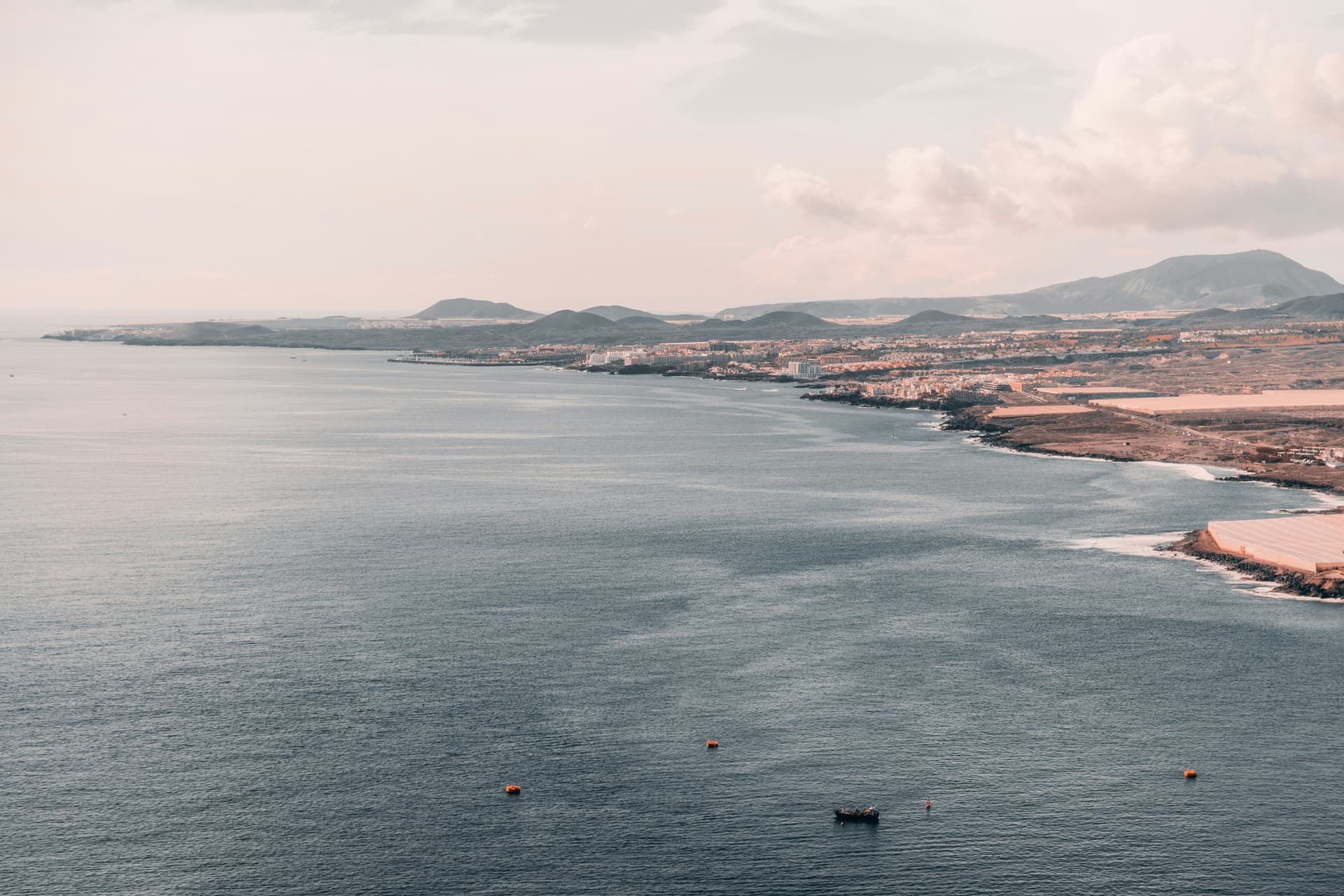
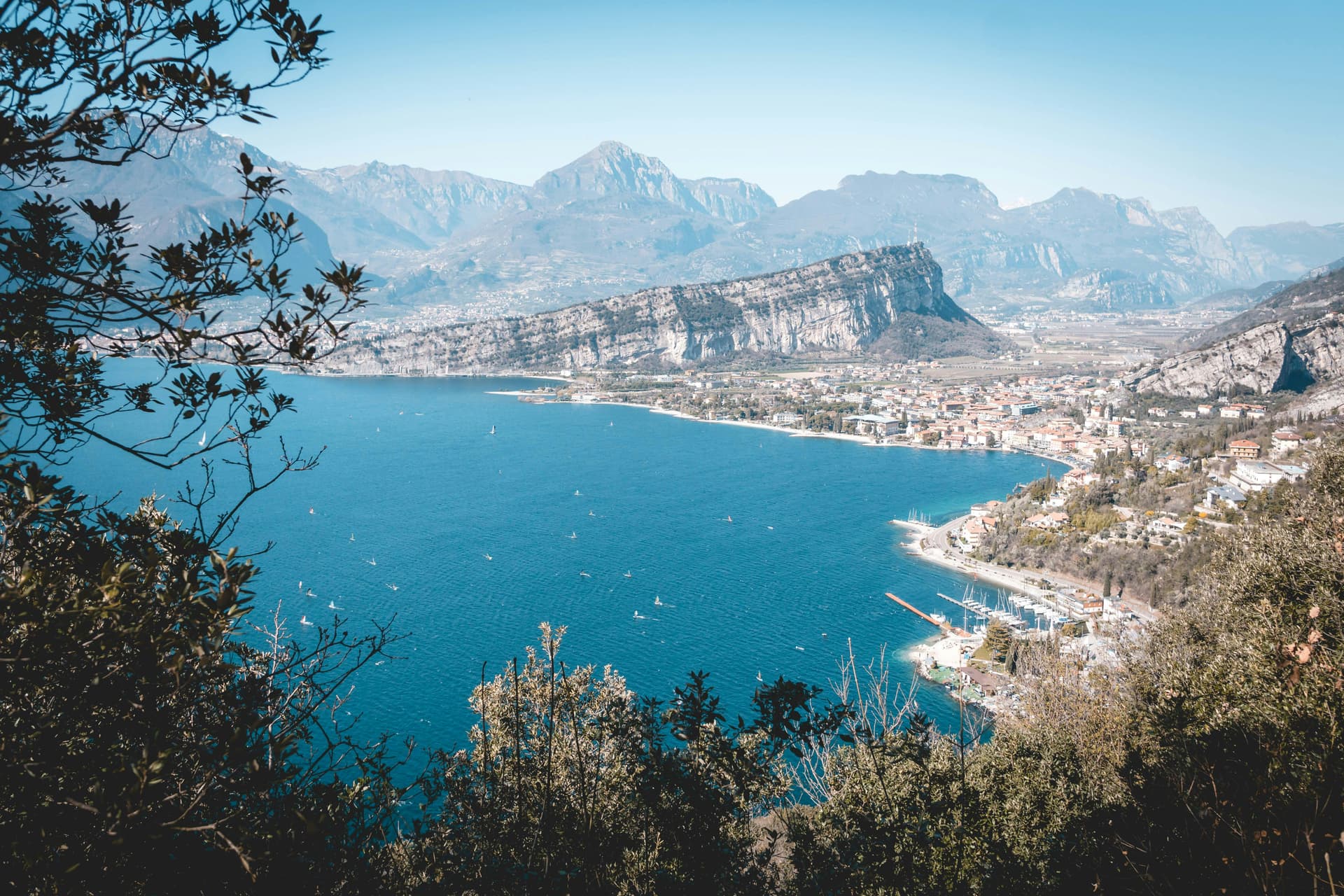
Wind patterns differ fundamentally. Ocean spots tend to get synoptic winds — large-scale weather systems like trade winds or the Levante that blow consistently for hours or days. Lakes, especially in mountainous areas, are dominated by thermal winds. These are driven by temperature differences between land and water: the land heats up in the afternoon, air rises, and cooler air from the lake rushes in to fill the gap. Thermals are less predictable and often come in cycles, with lulls and gusts following a rhythm tied to the terrain.
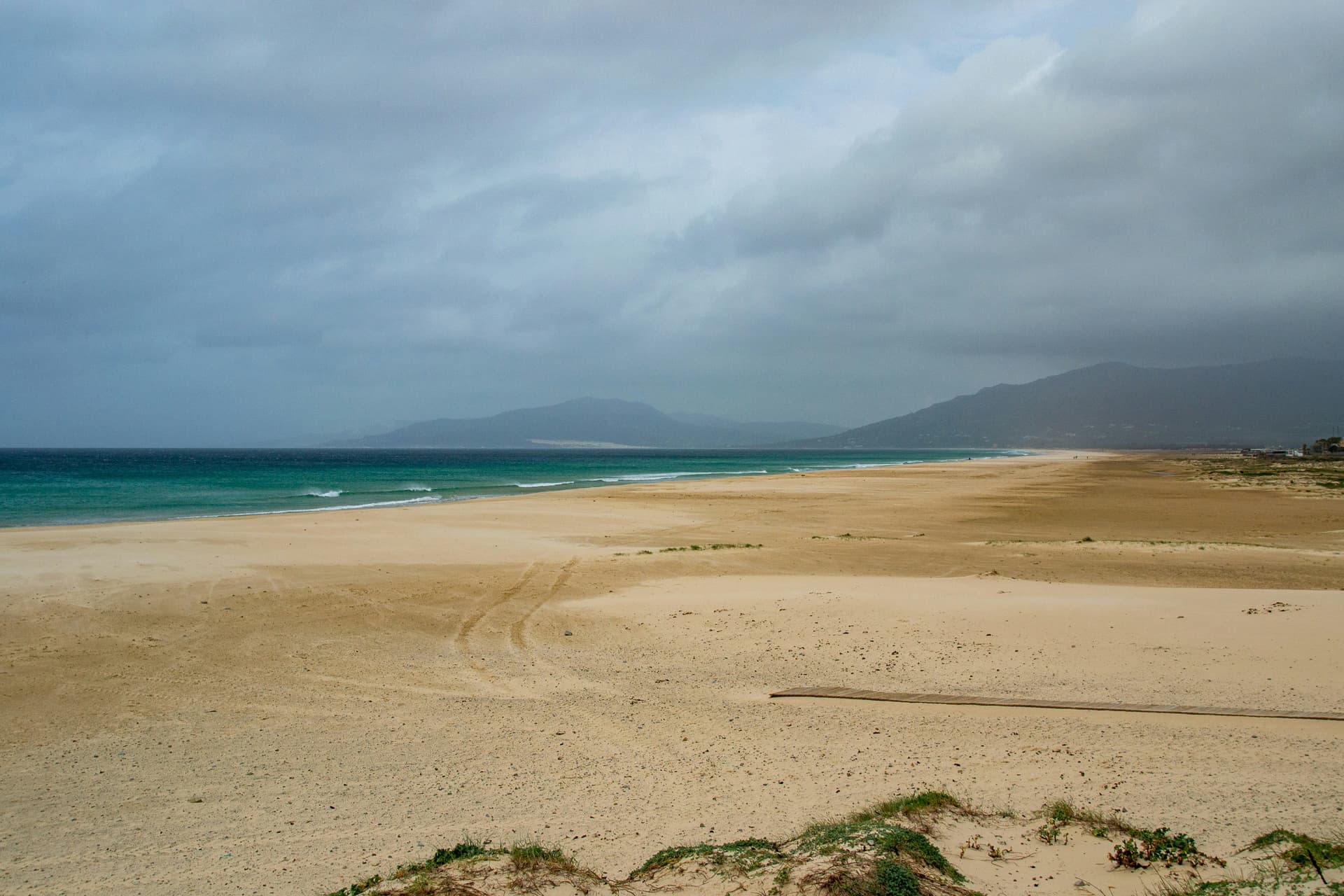
Water state is the other major difference. The ocean has swell — waves generated by distant storms that arrive as organized sets. Even on a calm day, you can have a meter of groundswell rolling through. Lakes have chop: short, steep waves generated by local wind. Chop can be surprisingly challenging — it is irregular, closely spaced, and punchy. But it never has the power or push of ocean swell, which means wave riding on lakes is limited.
Gear choices reflect these differences. Ocean sailors often ride smaller, more maneuverable boards (wave boards, freestyle wave) because the swell provides lift and the consistent wind lets them stay powered. Lake sailors tend toward larger freeride boards with more volume, which helps them plane through lulls and carry speed over chop. Sail sizes overlap, but lake sailors may bring a wider quiver to handle the rapid wind shifts.
Safety is different too. On the ocean, currents, tides, and shore break are real hazards. Being swept downwind can mean a long swim. On a lake, the shore is never far, but cold water (especially in alpine lakes) and sudden storms — particularly the infamous thunderstorms that build over mountains in the afternoon — pose their own risks. Always check the local weather warnings and know the lake-specific danger signs.