Understand the foehn wind phenomenon — what causes it, how to recognize it in weather forecasts, and the best Swiss and Austrian lake spots for epic foehn windsurf sessions.
The foehn is a warm, dry wind that occurs on the lee side of mountain ranges. In central Europe, it is most famously associated with the Alps: moist air from the south hits the mountains, rises, cools, drops its moisture as rain on the Italian side, then descends into the Swiss and Austrian valleys as a dramatically warmed and dried wind. The result is some of the most spectacular windsurfing conditions on European lakes.
Foehn events are driven by a specific synoptic pattern: a low-pressure system approaching from the west or southwest, combined with a southerly flow aloft pushing moist Mediterranean air against the Alps. The stronger the pressure gradient across the alpine ridge, the stronger the foehn. Classic foehn weather arrives with a distinctive sky — crystal clear on the north side of the Alps with a sharp wall of clouds (the foehn wall) visible along the mountain crests to the south.
For windsurfers, the foehn is exciting because it can produce 25-40 knots of sustained wind on lakes that are normally calm. The wind is also warm — sometimes 10-15 degrees warmer than the ambient temperature — which makes for pleasant sailing even in spring or autumn. However, foehn winds are turbulent and gusty, especially near the mountains. The wind can double in strength within minutes and create dangerous conditions for unprepared sailors.
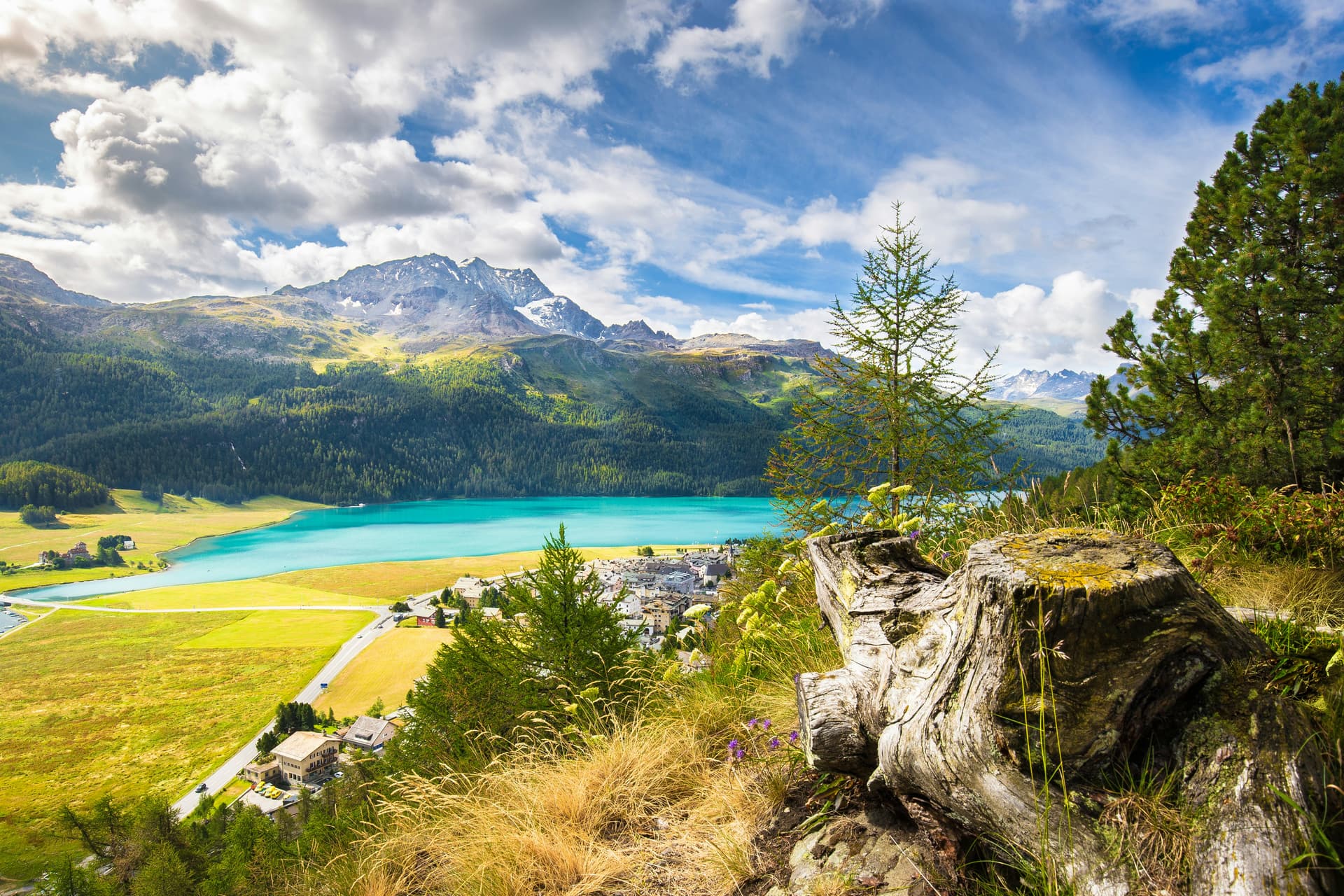
The best foehn spots are on the Swiss lakes oriented north-south, which channel the southerly wind. Urnersee (the southern arm of Lake Lucerne) is the most famous, with Fluelen and Isleten being the go-to launch spots. The narrow valley funnels the foehn into a concentrated blast. Lake Walen, Lake Zurich (upper end), and Lake Zug also catch foehn, though usually with less intensity. In Austria, the Inntal valley and lakes like Achensee are excellent.
Reading foehn in the forecast requires practice. Standard wind models often underestimate foehn strength because the resolution is too coarse to capture the valley effects. Look for the synoptic setup (south flow, strong cross-alpine pressure gradient), check the foehn-specific forecasts from MeteoSwiss or ZAMG, and watch for the visual signs: the foehn wall, lenticular clouds, and a sudden rise in temperature. When all signs align, drop everything and get to the lake — foehn days are rare and precious, and they often end as abruptly as they begin.