Learn how thermal winds develop, which conditions create the strongest sea breezes, and how to time your windsurf sessions around thermal cycles at lake and coastal spots.
Thermal winds are the unsung heroes of windsurfing. While synoptic weather systems get all the attention in forecasts, thermals quietly power some of the best and most reliable sessions around the world — from the Ora del Garda on Lake Garda to the sea breezes of Almanarre and the afternoon thermals on Swiss lakes.
The mechanism is straightforward: the sun heats the land faster than the water. As the land warms, the air above it rises, creating a low-pressure zone. Cooler, denser air over the water flows in to replace it — and that horizontal flow is the thermal wind you feel at the beach. This is why thermals are an afternoon phenomenon: they need several hours of solar heating to develop.
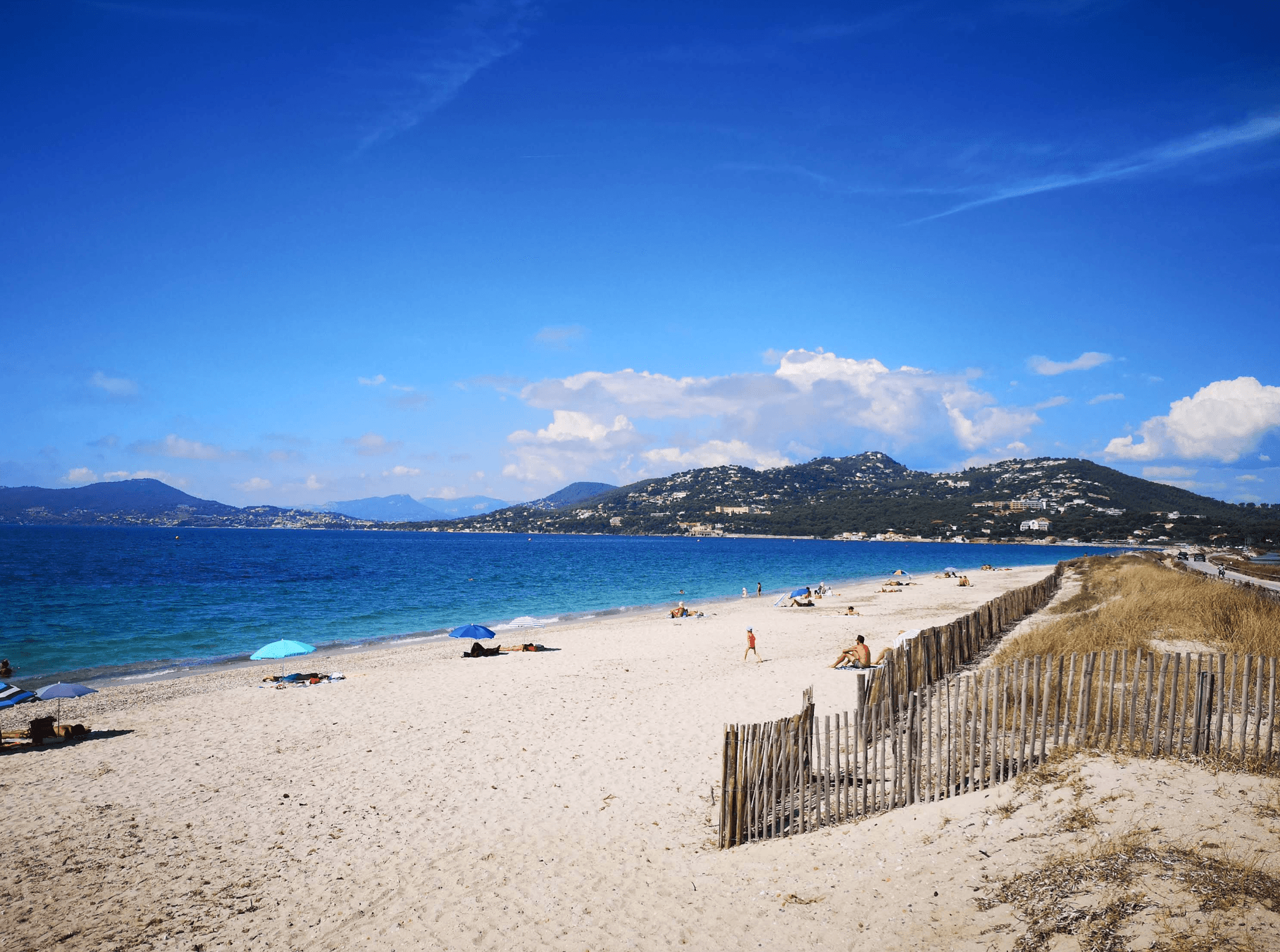
The strength of a thermal depends on the temperature gradient. A hot, sunny day with cool water produces the strongest thermals. This is why Mediterranean coasts in summer, where air temperatures hit 35°C but the sea is still 20°C, produce powerful sea breezes of 15-25 knots. Conversely, overcast days or spots where the water is warm suppress thermals because the temperature difference is too small.
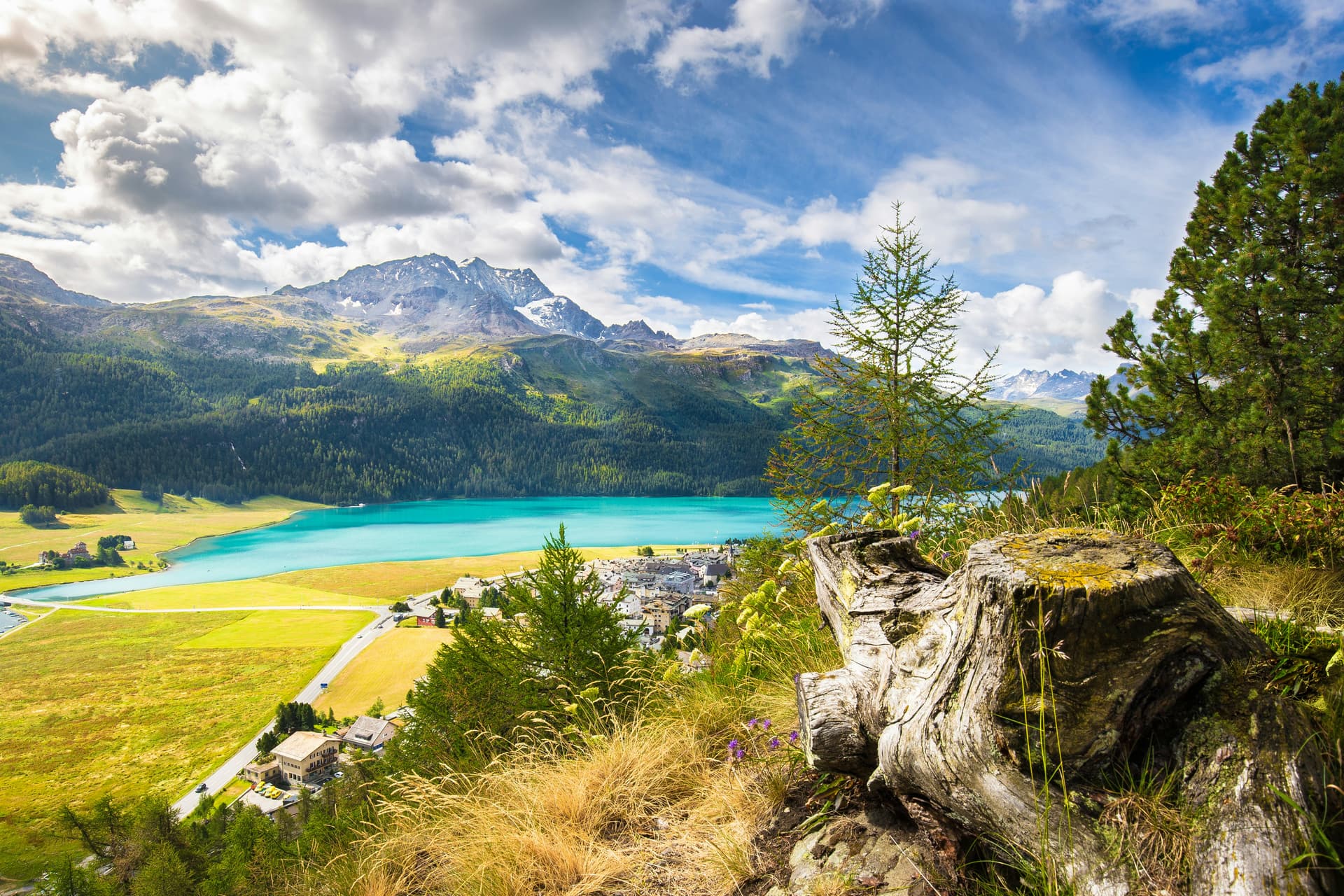
Terrain amplifies thermals dramatically. Valleys funnel the wind, accelerating it through narrow gaps. Lake Garda is the textbook example: the long, narrow valley channels the Ora into a reliable 15-20 knot wind at Torbole nearly every summer afternoon. Mountains behind coastal spots have a similar effect — the heated slopes create additional updrafts that strengthen the onshore flow.
Timing your session around thermals takes practice. As a rule, expect the wind to start building around midday, peak between 2-5 PM, and die off as the sun gets low. Arrive early to rig and be ready when the wind fills in. If the thermal is late, check for high clouds or a weak synoptic gradient that might be suppressing it. And always have a plan for the wind dying — thermals can switch off quickly when a cloud passes over.