Everything windsurfers need to know about the Mistral wind — how it forms, when and where it blows strongest, the best spots in southern France, and how to read Mistral forecasts.
The Mistral is a cold, dry, northwesterly wind that blows through the Rhone valley and fans out across the Mediterranean coast of France. For windsurfers, it is one of the most reliable and powerful wind systems in Europe — capable of delivering 30-50 knot days that can last anywhere from a single afternoon to a full week.
The Mistral forms when a high-pressure system sits over the Bay of Biscay or western France and a low-pressure system develops over the Gulf of Genoa or northern Italy. The pressure gradient drives cold air from the north down through the Rhone valley, where the terrain acts like a funnel, accelerating the wind dramatically. By the time it reaches the coast, the Mistral can be 10-15 knots stronger than the general synoptic wind.
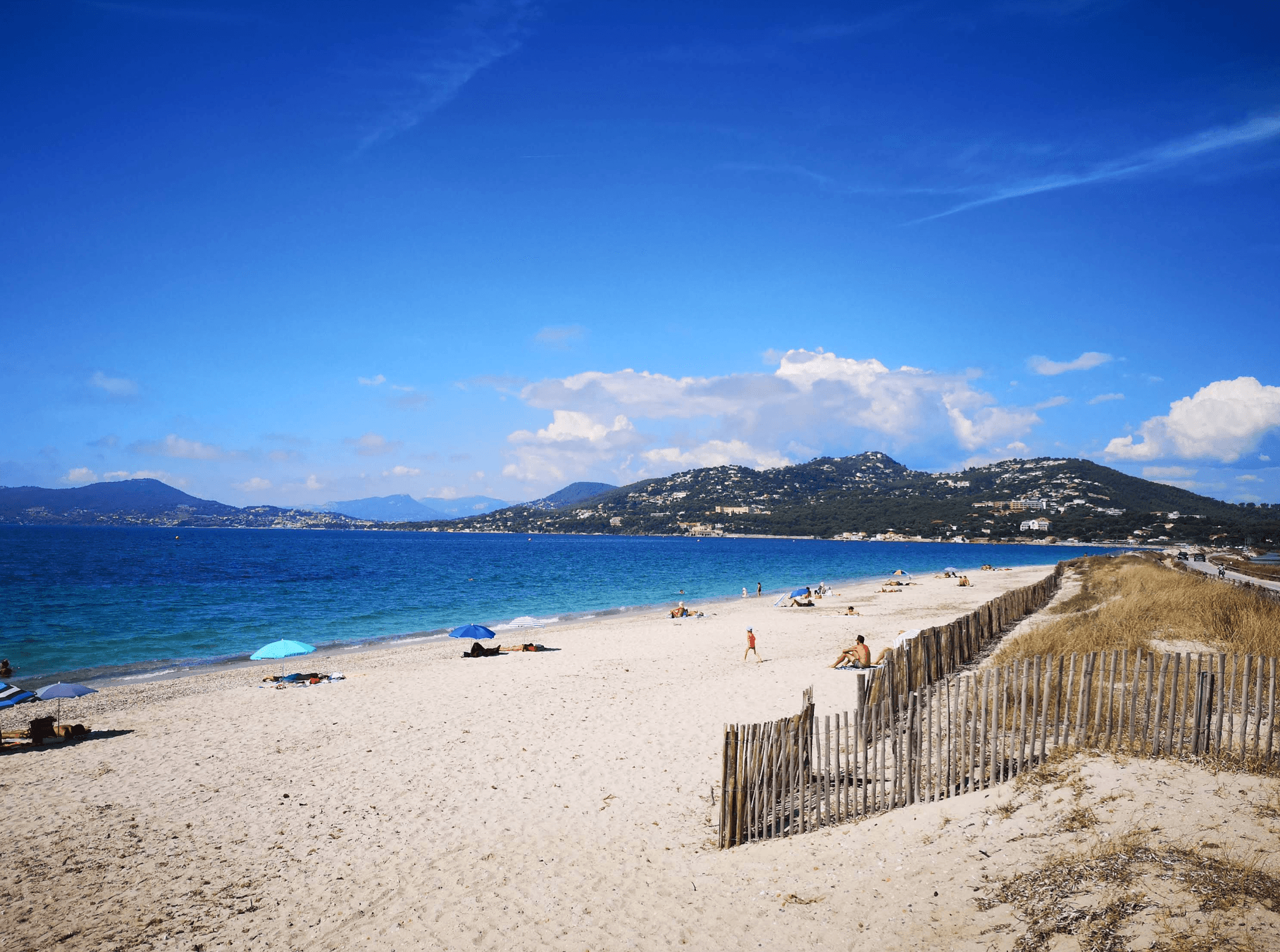
The prime Mistral spots are clustered around the Var and Bouches-du-Rhone departments. Almanarre, near Hyeres, is the most famous — a long, shallow lagoon that produces flat water on the inside and small waves on the outside. Gruissan, further west near Narbonne, catches the Tramontane (the Mistral's cousin that blows through the Aude valley) and offers a huge shallow bay perfect for speed runs. Leucate and Port-Saint-Louis are other popular options.
Forecasting the Mistral is relatively straightforward compared to thermal winds. Look for the classic synoptic setup: high pressure to the west, low to the east, and a strong north-south pressure gradient across France. The ECMWF model handles Mistral events well. Once the pattern establishes, the wind is remarkably consistent — it blows all day, often all night, and can persist for 3-7 days. The first and last days of a Mistral episode tend to be the most gusty; the middle days are steadier.
One thing to prepare for: the Mistral is cold. Even in summer, a strong Mistral drops air temperatures significantly and the wind chill on the water is fierce. A good wetsuit (4/3 or even 5/3 outside of July-August), booties, and gloves are worth packing even if the forecast shows sunny skies. The combination of cold wind and physical effort from sailing in 30+ knots can drain your energy faster than you expect.